
Overview
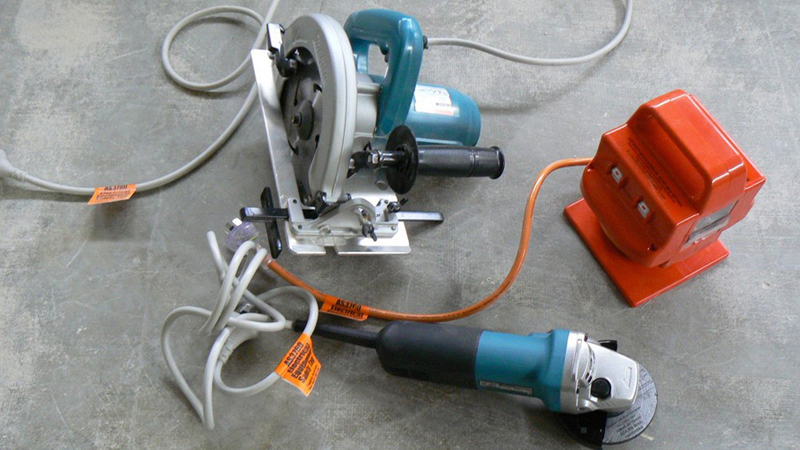
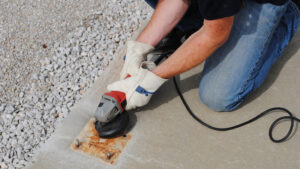 The Occupational Safety and Health Administration (OSHA) requires electrical installations and equipment to be free of recognized hazards that may cause death or serious harm to employees. The equipment must be installed and used according to the manufacturer’s recommendations. It must be mechanically suitable and protected from damage. This includes tools, cords and plugs.
No conductors or equipment can be located in damp or wet locations where exposed to gases, fumes, vapors, liquids or other agents that have a deteriorating effect on the conductors or equipment. No conductors or equipment can be located where exposed to excessive temperatures.
Internal parts of electrical equipment, including busbars, wiring terminals, insulators and other surfaces, may not be damaged or contaminated by foreign materials such as paint, plaster, cleaners, abrasives or corrosive residues. Sufficient access and working space must be provided and maintained about all electric equipment to permit ready and safe operation and maintenance of such equipment.
Electric equipment may not be used unless the following markings have been placed on the equipment:
- The manufacturer’s name, trademark or other descriptive marking by which the organization responsible for the product may be identified; and
- Other markings giving voltage, current, wattage or other ratings as necessary.