
Asmark Training
Our safety training promotes a healthy safety culture while ensuring compliance with regulatory training requirements.
Training that Protects People and Operations
Safety Starts with Well-Trained Teams
Agricultural retail teams operate in complex, highly regulated environments where safety, accuracy, and preparedness protect both people and the business. Asmark delivers comprehensive DOT, OSHA, and EPA training online to support safer teams, stronger compliance, and confidence that nothing critical is overlooked.
Required Training
Custom-built specifically for Ag Retailers, our Learning Management System (Training Platform) supports monthly safety training, annual training, and new hire training accessible from anywhere. Documentation of completed training is archived electronically and readily available when needed.
Training helps employees recognize hazards, follow safe practices, and reduce injuries while keeping operations compliant and running efficiently.
- Employers: Must comply with all OSHA standards and maintain accurate records of employee training.
- Ag-specific Videos: Videos cover required topics such as Bloodborne Pathogens, Confined Spaces, Fire Extinguisher Use, Respiratory Protection, and many more additional compliance training areas.
- OSHA AG-30 Many jurisdictions have laws requiring OSHA 30 for supervisors or specific roles on job sites. Asmark’s exclusive OSHA AG-30 Signature Training course is purpose-built for the unique operations and risks of agricultural retailers.
DOT required training is essential to ensure drivers and supervisors understand their responsibilities, reduce risk, and keep regulated operations safe, compliant, and audit-ready.
- HAZMAT: Employees must receive training at least once every three years.
- FMCSR: Training helps agricultural retailers understand and comply with federal motor carrier safety requirements,.
- Security Wise: HM-232 requires security awareness training for all hazmat employees.
- Supervisory Drug & Alcohol: Includes the physical, behavioral, speech and performance indicators.
The EPA Worker Protection Standard (WPS) is a federal regulation designed to protect agricultural workers and pesticide handlers from exposure to pesticides. Established by the U.S. Environmental Protection Agency, the WPS requires employers to provide safety training, access to pesticide information, proper personal protective equipment, restricted-entry intervals after pesticide application, and emergency assistance.
- Instant-Access Video: Provides a clear overview of the EPA Worker Protection Standard through a comprehensive training video for agricultural workers and pesticide handlers, covering REIs, decontamination, pesticide labels, PPE, and more. Filmed in a real farm center setting to reflect practical, real-world application.
Take a Closer Look
Real-World Instruction, Where Work Happens
Asmark Signature Training combines expert instruction with real-world practice at immersive facilities replicating true ag retail environments. Courses are led by instructors who’ve spent decades in environmental health and safety leadership and education positions.
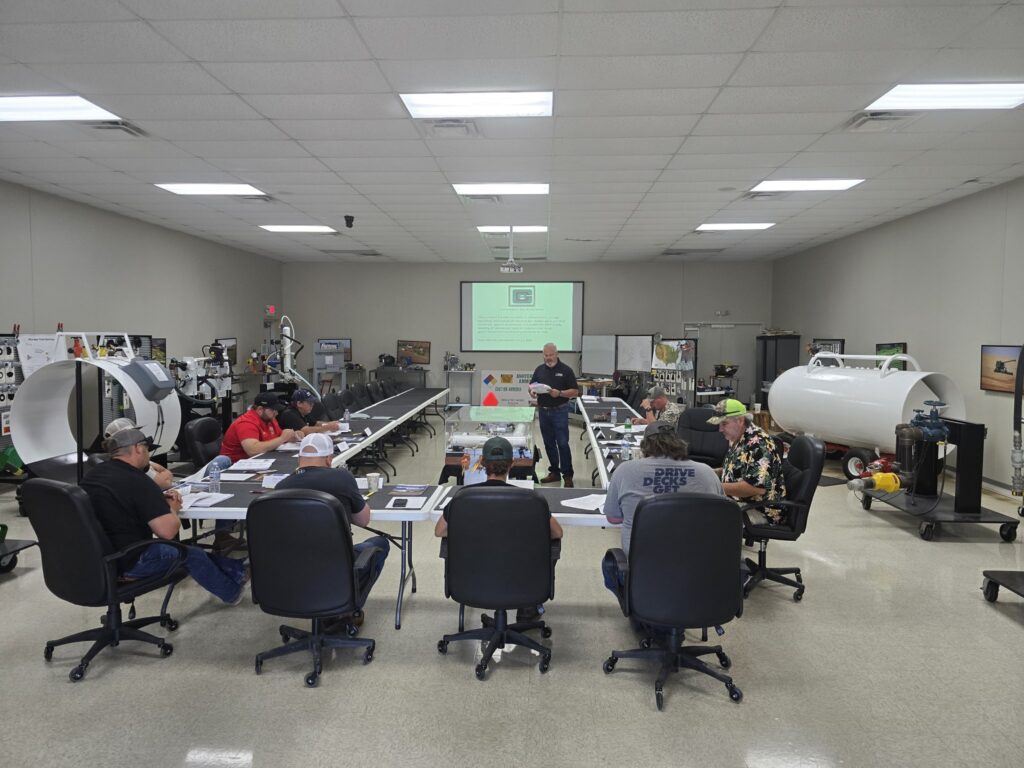
Ammonia Technician Training Course
This training course is designed to foster a strong preventative maintenance routine and prepare participants to identify and address weaknesses in anhydrous ammonia installations and systems.
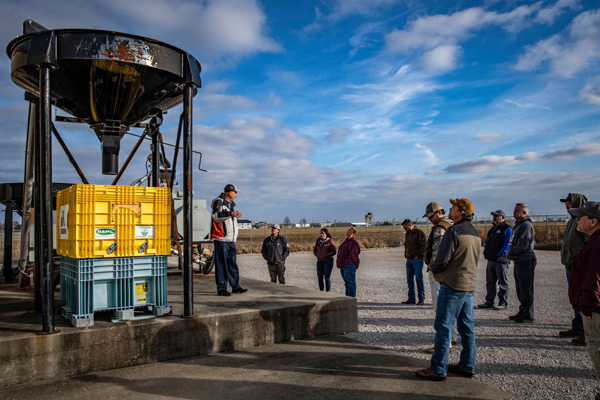
OSHA AG-30 Hour Training Course
Using a blend of both classroom and hands-on group exercises, gain a thorough understanding of how OSHA works, violations that can affect your company and OSHA’s process for dealing with accidents, illnesses and worker complaints.
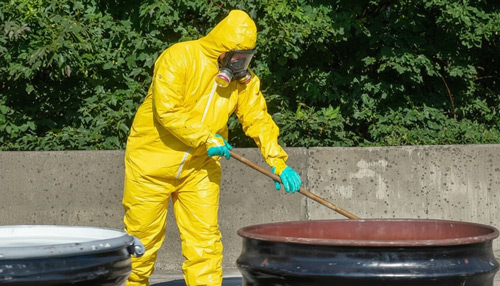
Emergency Response (HAZWOPER) 4 Day Full Course
Designed to provide the information and skills needed to recognize, evaluate and control an incident involving the release, or potential release, of hazardous substances typically found at an agrichemical facility.
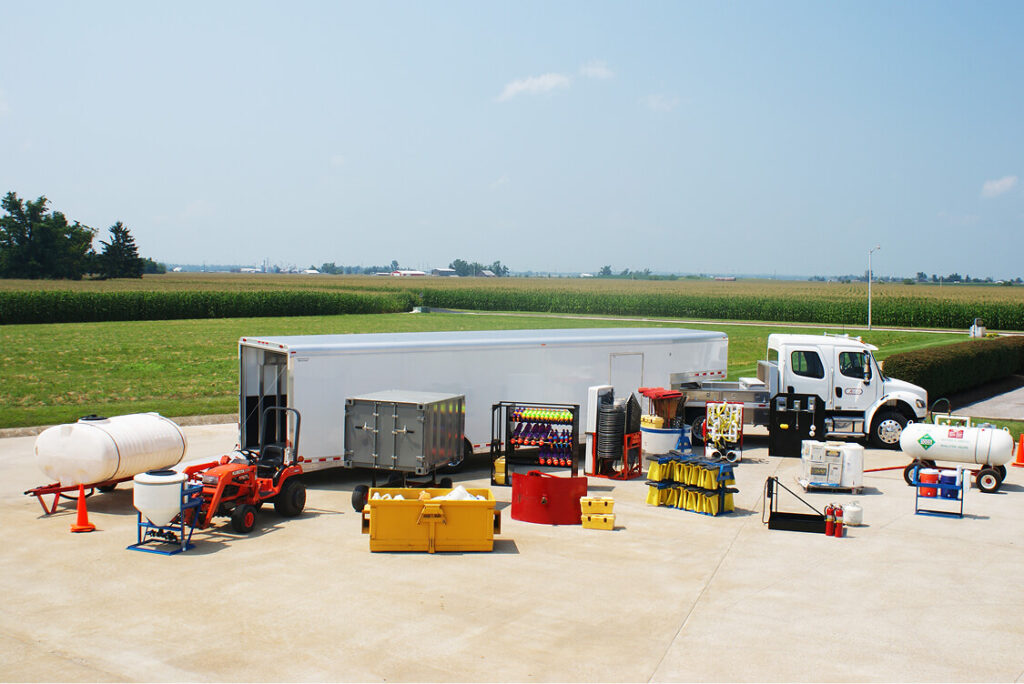
Emergency Response (HAZWOPER) 1 Day Refresher Course
For those who have successfully completed the HazWoper Full Course (initial 4-day training). This course fulfills the annual 8-hour refresher training required to maintain certification in accordance with OSHA Standard 29 CFR 1910.120(q).
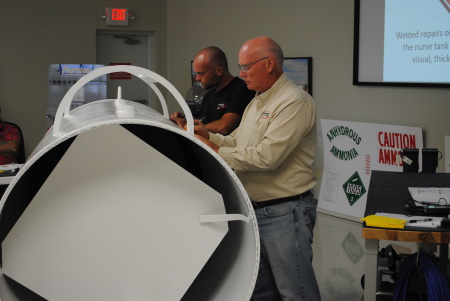
Nurse Tank Inspection "CT" Training Course
This course provides an in-depth learning experience on the procedures required to properly inspect and test nurse tanks used for anhydrous ammonia.
Responsible Ag Auditor Course
Only ResponsibleAg-credentialed auditors can perform ResponsibleAg facility audits. Auditors must complete an initial competency-based training course and annual refresher training to maintain their credentials.
Trusted by Ag Retailers Nationwide





Asmark Training Centers
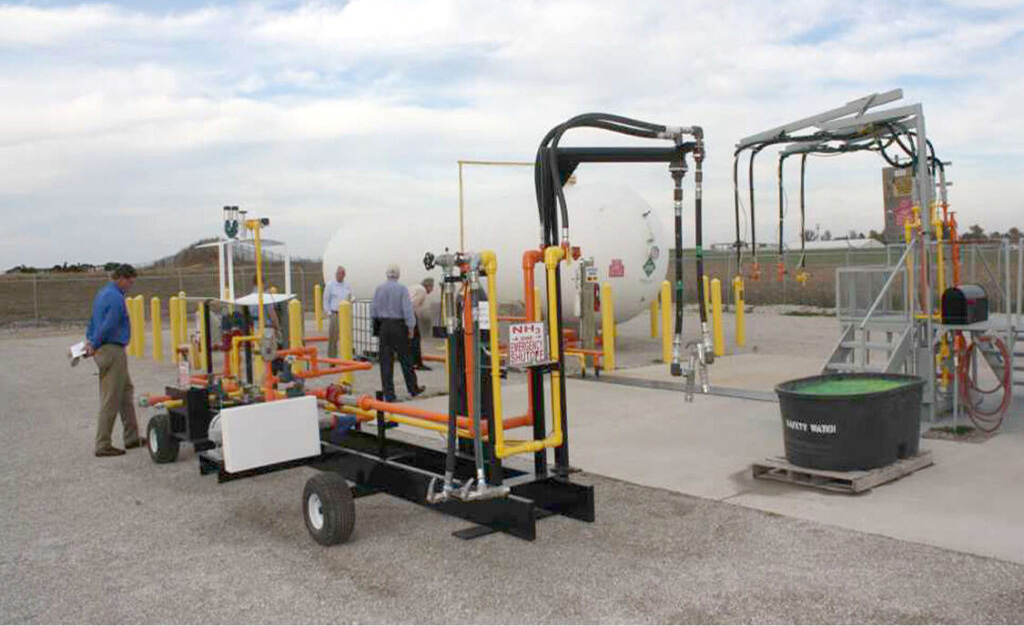
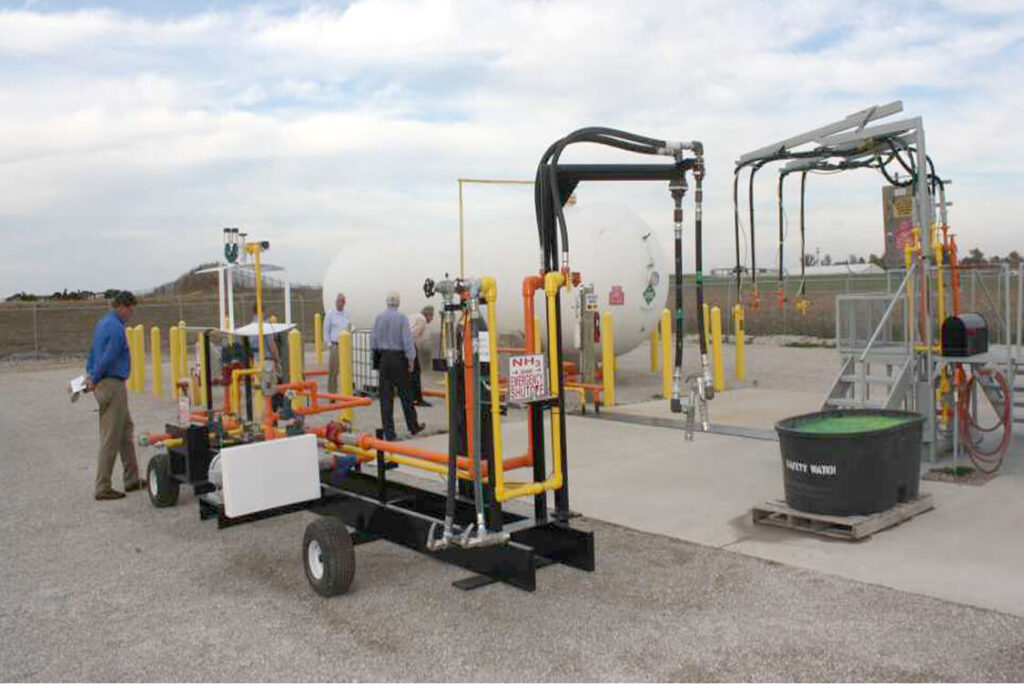
The Ammonia Room @ The AgriCenter
Bloomington, IL
A specialized training space designed to support the hands-on learning components of the Ammonia Technician Course and Nurse Tank Inspection Course. The classroom features a variety of full-scale props and equipment commonly found in anhydrous ammonia installations. From tank valves to safety systems and nurse tanks, props are tailored to help ag professionals gain confidence working safely around ammonia installations.
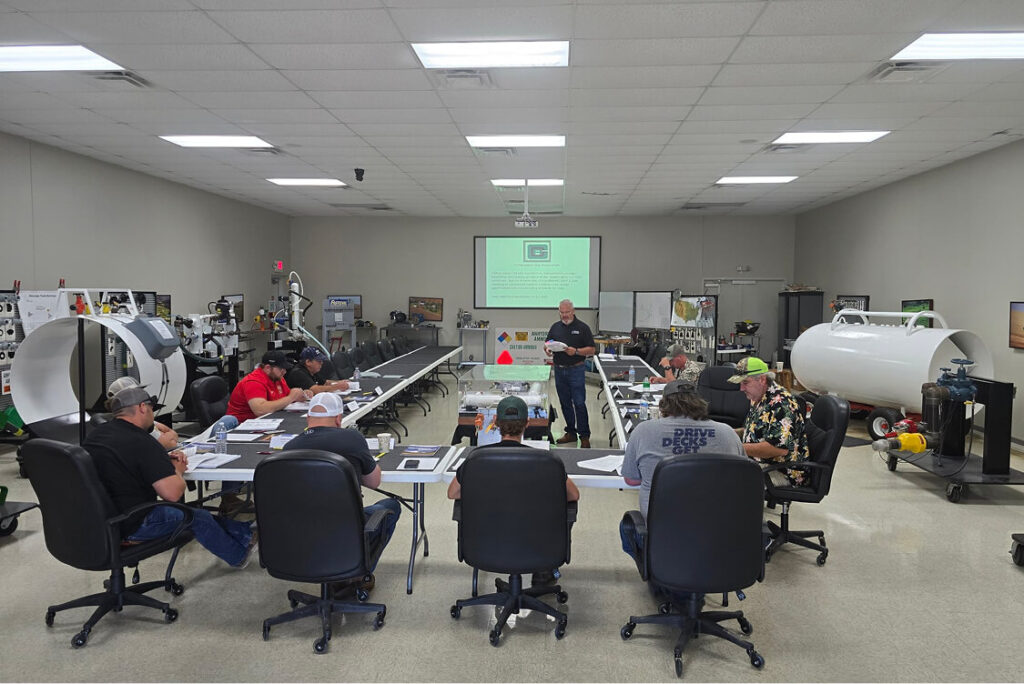
LaVergne Training Center
LaVergne, TN
Located just 10 miles from the Nashville airport, this multi-purpose building is equipped with custom-built training props designed to replicate countless real-life scenarios, including those used in our 40-Hour HazWoper Training course. The facility also features a computer lab and a large conference room available for use by the industry.
Ford B West Training Center for Responsible Agriculture
Owensboro, KY
This one-of-a-kind mock ag retail facility serves as the agricultural industry’s premier training and education center. Designed to closely replicate a working ag retail site, it provides a realistic environment for hands-on instruction focused on safety, security, and environmental stewardship.
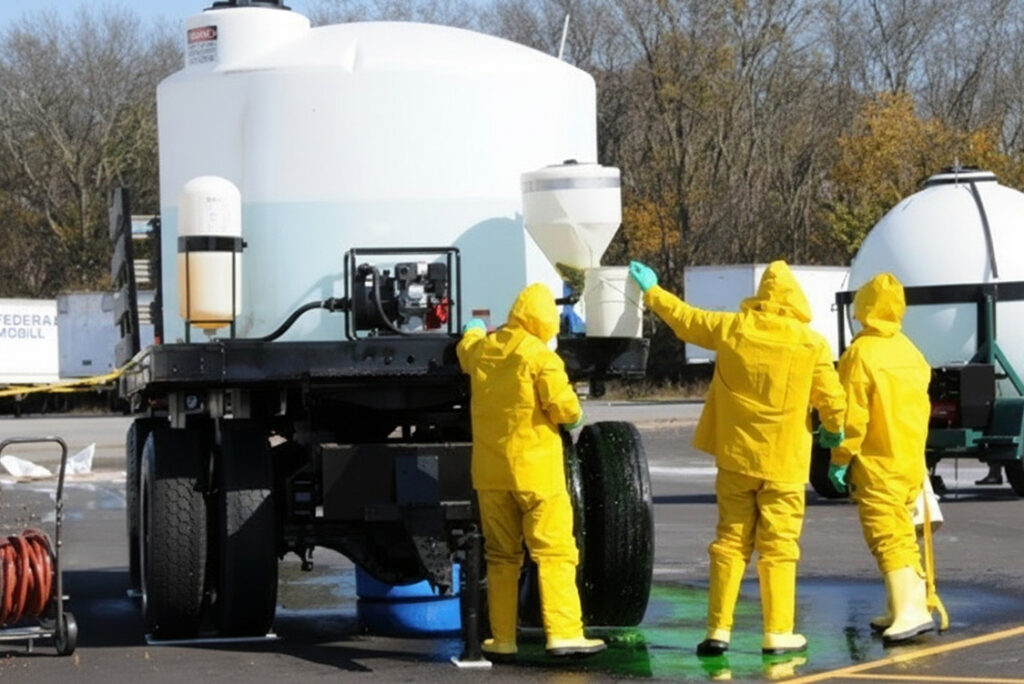
Mobile HAZWOPER Refresher Course
The only mobile unit of its kind, our field training rig and staff travels to agricultural retailers across the country to deliver in-person, hands-on instruction.
The course is offered at more than 70 remote locations nationwide and features over 40 training scenarios designed to keep the experience fresh, relevant, and effective year after year. These simulations provide practical, real-world opportunities for participants to apply and reinforce the knowledge gained in the initial training course.