
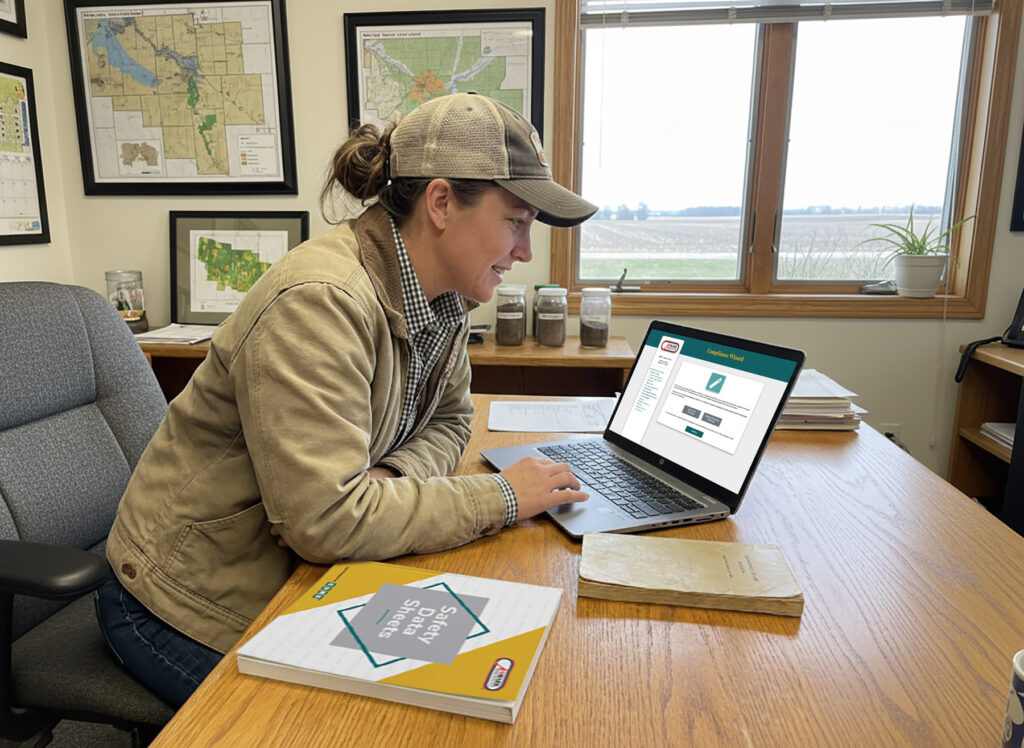
A compliance review is one of the best ways to identify problems before they become violations, citations, spills, injuries, or costly operational disruptions. For agricultural retailers, the challenge is that compliance rarely falls under a single regulation. OSHA, EPA, DOT, state and local requirements can all apply to the same facility.
A thorough facility review should look beyond paperwork and evaluate whether written programs accurately reflect what is actually happening at the site.
Start with Your Regulatory Programs
Begin by identifying the programs that apply to your operation and verifying that required plans and records are current. Depending on the facility, this could include:
- Spill Prevention, Control, and Countermeasure (SPCC) Plan
- EPA Risk Management Plan (RMP)
- OSHA Process Safety Management (PSM)
- Respiratory Protection Program
- Emergency Action and Fire Prevention Plans
- Hazard Communication Program and Safety Data Sheets
- DOT hazardous materials and driver compliance records
- Pesticide storage, handling, and recordkeeping requirements
- EPCRA/Tier II and other state or local reporting requirements
Check revision dates, required certifications, employee training records, inspections, and documentation. Pay particular attention to changes made during the year that may not have been incorporated into existing plans.
Walk the Facility
Next, conduct a physical inspection. Don’t simply verify that equipment exists—look at its actual condition and how employees are using it.
Inspect bulk storage areas, secondary containment, loading and unloading locations, pesticide and chemical storage, warehouses, maintenance areas, emergency equipment, electrical panels, eyewash stations, fire extinguishers, PPE, and vehicle areas.
Look for leaks, damaged equipment, blocked access, poor housekeeping, missing labels, deteriorated signs, improperly stored materials, and other conditions that may have developed during the busy season.
Compare the Facility to the Paperwork
One of the most important parts of the review is comparing written plans with current facility conditions.
Were tanks added, removed, replaced, or relocated? Have chemical inventories changed? Is new equipment being used? Have processes or loading areas changed? Are emergency contacts still accurate?
A plan that accurately described the facility three years ago may no longer match today’s operation.
Review Employee Training
Training records should demonstrate that employees received required training at the appropriate frequency.
Review training for hazardous materials, hazard communication, respiratory protection, lockout/tagout, powered industrial trucks, confined space, and any other programs applicable to employee responsibilities.
Also consider whether employees can put that training into practice. Ask employees simple questions about emergency procedures, spill response, PPE, and reporting responsibilities.
Check Inspection and Maintenance Records
Many compliance programs require recurring inspections. Confirm that required inspections were completed, documented, and retained.
Just as importantly, review what happened after deficiencies were identified. An inspection form showing a problem without documentation that it was corrected can create another compliance concern.
Create a Corrective Action List
Document each issue identified during the review and assign responsibility for correcting it. Include a target completion date and track each item until it is closed.
Prioritize issues involving immediate employee safety, spills or releases, regulatory deadlines, and significant equipment deficiencies.
Make Compliance Reviews Routine
A full facility compliance review shouldn’t be viewed simply as preparation for an inspection. It is an opportunity to determine whether the facility’s written programs, records, equipment, and everyday practices are working together.
Finding and correcting deficiencies internally gives the facility an opportunity to address problems before an employee, customer, inspector, or emergency discovers them first.