
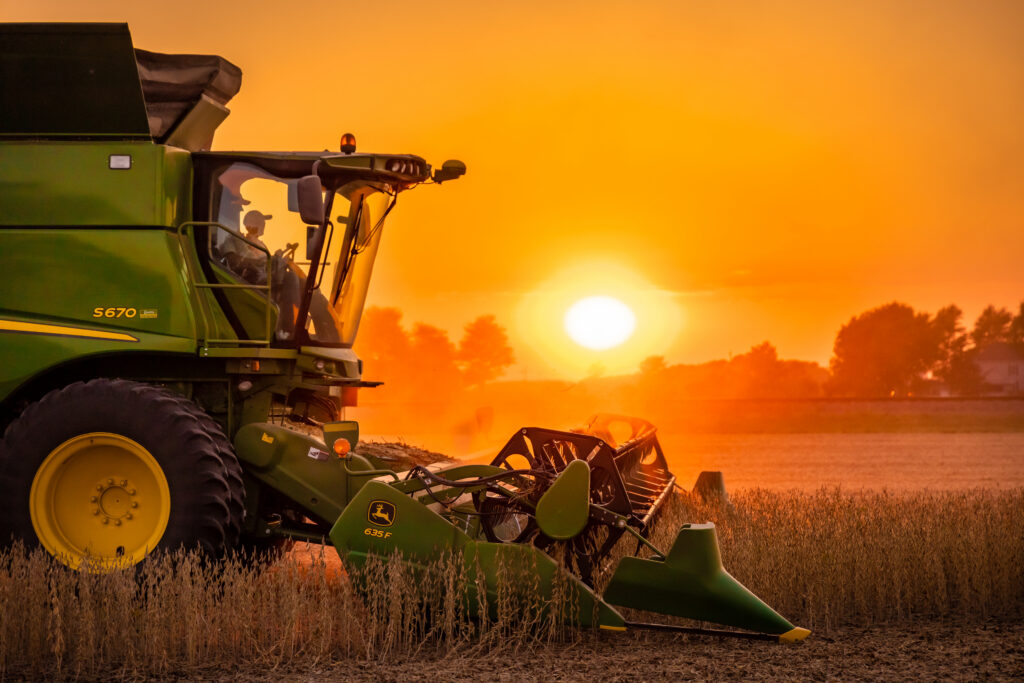
Harvest season can be the busiest—and often the most hazardous—time of year for agricultural retailers. Grain elevators operate around the clock, fertilizer and chemical facilities see increased traffic, and employees work extended shifts to keep pace with customer demand. While speed is essential, safety and regulatory compliance cannot take a back seat.
The Occupational Safety and Health Administration (OSHA) does not relax enforcement during harvest. In fact, the combination of temporary workers, increased equipment use, fatigue, and higher facility traffic can significantly elevate the risk of accidents and OSHA violations.
The good news is that maintaining compliance doesn’t require slowing operations. It requires preparation, consistent procedures, and proactive leadership.
Start with a Pre-Harvest Safety Review
Before harvest begins, conduct a comprehensive inspection of your facility and operations. Walk through all grain handling, fertilizer, chemical storage, and maintenance areas looking for potential hazards.
Key areas to evaluate include:
- Fire extinguishers and emergency response equipment
- Machine guards and rotating equipment
- Electrical systems and extension cords
- Housekeeping and dust accumulation
- Fall protection systems
Correcting deficiencies before operations ramp up is significantly easier—and less costly—than addressing them after an incident or OSHA inspection.
Refresh Employee Training
Even experienced employees benefit from seasonal refresher training. Harvest introduces unique challenges that may not exist during slower months.
Review topics such as:
- Lockout/Tagout (LOTO) procedures
- Hazard Communication
- Personal Protective Equipment (PPE)
- Emergency response procedures
- Grain engulfment hazards
- Safe operation of forklifts and front end loaders
If seasonal employees are hired, ensure they receive the same safety orientation as full-time staff before beginning work.
Manage Fatigue Before It Leads to Injuries
Harvest often means long days and extended workweeks. Fatigue contributes to poor decision-making, slower reaction times, and increased accident rates.
Employers can reduce fatigue-related risks by:
- Rotating employees through physically demanding tasks
- Scheduling regular breaks
- Encouraging hydration and nutrition
- Monitoring overtime hours
- Watching for signs of exhaustion and heat stress
Managers should also encourage employees to report when they are too fatigued to safely perform high-risk tasks.
Keep Housekeeping a Daily Priority
Dust, spilled grain, fertilizer residue, and packaging materials accumulate quickly during harvest.
Poor housekeeping can create:
- Slip, trip, and fall hazards
- Increased fire risks
- Combustible dust hazards
- Blocked emergency exits
Assign housekeeping responsibilities throughout every shift instead of waiting until the end of the day. Small cleanup efforts performed consistently are far more effective than attempting major cleanups after weeks of heavy activity.
Reinforce Lockout/Tagout Procedures
Maintenance work doesn’t stop during harvest. Employees may be tempted to bypass Lockout/Tagout procedures to minimize downtime. Unfortunately, these shortcuts can lead to severe injuries or fatalities.
Before servicing conveyors, grain legs, augers, mixers, pumps or compressors ensure all hazardous energy sources are properly isolated and verified before work begins. Managers should periodically observe maintenance activities to confirm procedures are being followed consistently.
Maintain Accurate Safety Documentation
OSHA compliance extends beyond safe operations—it also includes proper recordkeeping.
Verify that:
- OSHA injury logs are current
- Safety training records are complete
- Equipment inspections are documented
- Forklift inspections are performed
- Emergency drills are recorded
Good documentation demonstrates a strong safety culture and can significantly improve outcomes during an OSHA inspection.
Final Thoughts
Harvest season will always bring pressure to move products quickly and keep customers satisfied. However, no operational goal is worth compromising employee safety or regulatory compliance.
By investing time in pre-season planning, reinforcing training, maintaining equipment, and promoting daily safety awareness, agricultural retailers can protect their workforce while maintaining productivity throughout the busiest time of the year.