
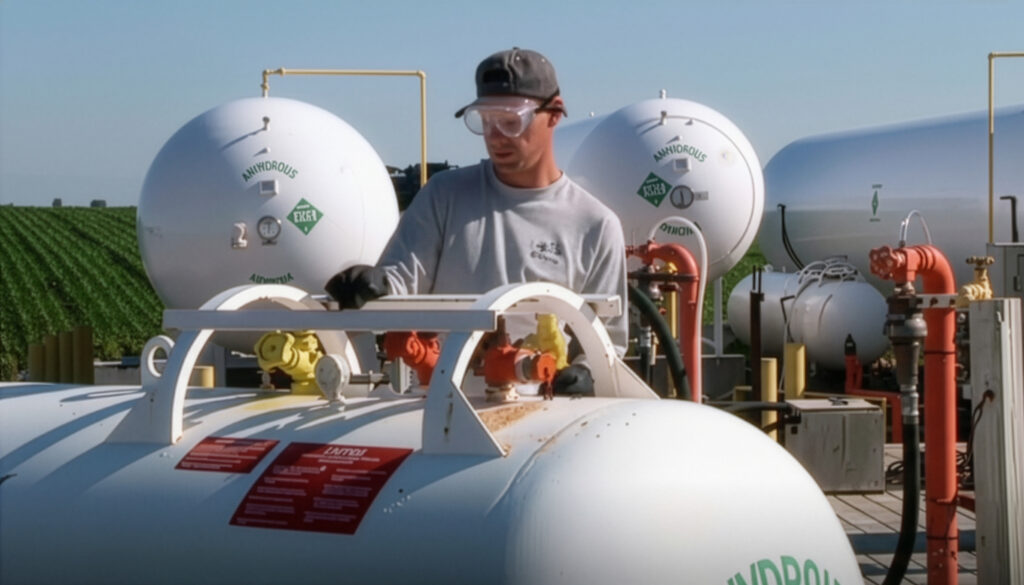
Nurse tanks are essential pieces of equipment in modern agriculture, used to transport and apply anhydrous ammonia (NH₃), a critical source of nitrogen fertilizer for crops. These pressurized vessels carry a hazardous material that demands the highest standards of safety and maintenance. Regular testing and inspection of nurse tanks are not just regulatory best practices—they are vital for protecting lives, property, and the environment.
Why Testing Nurse Tanks Matters
Anhydrous ammonia is stored and transported as a liquid under pressure. Nurse tanks must withstand significant internal pressures, often rated for at least 250 psi or more. Over time, however, these tanks face risks including:
- Stress Corrosion Cracking (SCC): A major concern where high residual stresses in welds, combined with ammonia exposure, can lead to cracks.
- Weld Defects: Over the years, tiny holes, weak spots, and small cracks can form or get worse in the welds of the tank. Recent X-ray tests on some nurse tanks have found serious hidden problems that weren’t visible from the outside.
- General Wear and Damage: Corrosion, dents, gouges, tire issues, valve/hose degradation, and damage from overturns or daily use can compromise integrity.
- Catastrophic Failure Risk: In one documented 2023 incident, a 2009 nurse tank failed catastrophically, rocketing over 300 feet and releasing its entire contents. No injuries occurred, but the event underscores the potential for disaster.
Failures can result in sudden releases of ammonia, leading to severe injuries, fatalities, environmental damage, and significant financial losses. Ammonia is highly corrosive to skin, eyes, and respiratory systems, and pressurized releases are extremely dangerous.
Regular testing helps detect issues early, ensuring tanks remain structurally sound. Key methods include:
- External visual inspections.
- Thickness testing to check metal integrity.
- Hydrostatic pressure testing (minimal at 375 psig).
Federal regulations 49 CFR 173.315(m)(2) mandate periodic testing for nurse tanks with missing or illegible ASME data plates, every five years.
Summer Is the Perfect Time to Prepare for Testing
Farming calendars are seasonal, and nurse tank use peaks during spring application and fall application. Summer (typically June through August) offers a natural window for preparation and testing.
- Off-Season Availability: Fields are planted, and major NH₃ application has usually wrapped up. Tanks can be emptied safely and prepared for formal inspections.
- Scheduling Ease: Certified inspectors and testing shops often see peak demand in summer. Booking early avoids last-minute rushes before the next season.
- Preparation Steps Align with Warm Weather:
- Empty and clean tanks.
- Have spare new valves and gauges onsite where scheduled replacement can be accomplished.
- Fill tanks with water for hydrostatic testing (a common requirement). Warm summer conditions make handling and filling more practical.
- Proactive Maintenance: Summer allows time for any needed repairs, e.g. painting the shell, before the tank returns to service, reducing downtime during busy planting windows.
Ag retailers who act in the summer ensure their equipment is ready, compliant, and safe well before the next heavy-use period. not just equipment but the people who operate it.
Practical Recommendations
- Check Your ASME Plate: Confirm it is legible. If not, formal testing is required.
- Schedule Professional Inspection: Work with certified cargo tank inspectors familiar with nurse tank protocols (visual, thickness, and pressure tests).
- Follow Manufacturer and Agency Guidance: Research PHMSA advisories and quality steel or tank manufacturer recommendations.
- Maintain Records: Keep detailed inspection reports.
- Invest in Training: Ensure operators understand safe handling, emergency procedures, and daily inspections.
- Consider Non-Destructive Options: If pressure testing is challenging, explore ultrasonic or radiographic methods.
Reminder
Testing nurse tanks is a critical investment in safety and reliability. By identifying hidden defects like weld issues before they lead to failure, ag retailers protect their operations, communities, and employees who operate the equipment daily. Summer provides the ideal low-pressure window to empty, prepare, and test tanks thoroughly. Don’t wait for an incident or regulatory push—proactive maintenance now ensures smooth, safe seasons ahead.
Training
Asmark provides a Signature Training Nurse Tank Inspection “CT” Training Course to help ag retailers inspect with confidence, test correctly, and catch unsafe conditions early.